Fighter Plane: A Bold Embroidery Review for Brands
As an embroidery designer who has spent years digitizing and reviewing files for commercial use, I approach every new machine embroidery design with a critical eye. It is not just about whether the image looks good on a screen; it is about how that digital embroidery file translates into a tangible asset for a small business. Today, I am reviewing the Fighter Plane design, a piece categorized under Transportation that promises to bring "exhilarating Mach Speed" to your projects. For shop owners, Etsy sellers, and apparel decorators, the question is simple: does this design hold up under the scrutiny of real-world production and branding needs?
First Impressions and Visual Personality
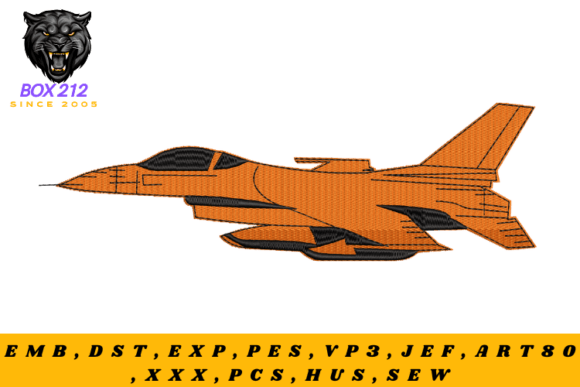
Upon loading the preview of Fighter Plane, the immediate impression is one of dynamic energy. The description highlights a "high-flying fighter jet captured in a dynamic pose," and visually, this translates to a design that feels bold, modern, and action-oriented. Unlike rustic or handmade-style motifs that rely on organic imperfections, this design leans heavily into precision and sharp lines. It exudes a sense of speed and professionalism, making it an excellent candidate for brands that want to project strength, efficiency, or adventure.
For a boutique or creative studio, the aesthetic is less "playful" and more "premium industrial." It carries a certain weight that suggests reliability and forward momentum. If you are looking to add a touch of adrenaline to your small business merch, this design delivers on that promise without feeling cluttered. However, because it relies on strong outlines and likely high-contrast areas to define the aircraft's shape, it demands respect regarding where and how it is applied.
Real-World Business Applications
The true test of any embroidery file is its versatility across different products. Fighter Plane shines brightest when used as a statement piece rather than a subtle background element. Here is how I see it performing in various commercial scenarios:
- Embroidered Patches: This is arguably the strongest use case. A fighter jet motif works exceptionally well as a standalone patch for jackets, backpacks, or morale gear. The bold shapes ensure the design remains recognizable even when stitched onto thick materials like canvas or denim.
- Staff Uniforms and Aprons: For a business with a logistics, automotive, or extreme sports focus, placing this design on the chest of a work shirt or the bib of an apron embroidery project can reinforce a brand identity centered on speed and service. It acts as a badge of honor for the staff.
- Cap Embroidery: Placing this on the front of a structured cap requires careful consideration of the curve, but if the design is scaled correctly, it makes for a striking logo accent. It is perfect for teams or events where a cohesive, high-energy look is required.
- Tote Bag Design: On a heavy-duty tote, the Fighter Plane can serve as a central graphic. It elevates a simple bag into a piece of branded merchandise that customers actually want to carry, increasing brand visibility in public spaces.
- Customer Gifts and Event Merch: For corporate events or limited-edition drops, this design adds perceived value. It transforms a standard giveaway into a collectible item, enhancing buyer engagement and loyalty.
Critical Considerations for Production
While the visual impact is strong, a professional reviewer must also address the technical challenges. The description mentions "Mach Speed," which implies sharp angles and potentially dense fill areas to create the illusion of motion. Here is where caution is advised:
Stitch Density and Fabric Texture: High stitch density can be a double-edged sword. On lightweight fabrics, too much thread can cause puckering or stiffness. If you are working with a textured fabric, ensure the thread colors provide enough contrast so the details of the jet do not get lost in the weave. Always test on a scrap piece of the actual material before committing to a full run.
Small Patch Sizes: If you intend to shrink this design for a small sleeve detail or a tiny product label, inspect the spacing carefully. Fine details in the cockpit or wing structures may merge together if the design is reduced beyond its optimal limit. Clarity is key to maintaining a professional look.
Curved Surfaces: When applying this to cap fronts or rounded tote bags, the geometry of the plane must remain intact. Distortion on curved surfaces can make the aircraft look warped, undermining the "precision" aspect of the brand identity. Proper hooping and a high-quality stabilizer are non-negotiable here.
Dark Uniforms: If stitching on dark garments, verify that the design includes appropriate underlay or bordering to prevent the fabric color from bleeding through the lighter sections of the plane. Contrast is essential for recognition.
Impact on Brand Identity and Trust
In the world of commercial embroidery, consistency is currency. Using a design like Fighter Plane contributes to a cohesive visual language. It tells your customer that your brand is active, precise, and unafraid to take risks. This builds trust; a sloppy or poorly chosen logo suggests a sloppy business, whereas a crisp, well-executed fighter jet implies competence and high standards.
Furthermore, this design enhances the perceived value of the finished product. A well-stitched patch or emblem turns a commodity into a branded asset. For handmade product creators, adding such a distinct element can justify a higher price point, as it signals a level of customization and attention to detail that mass-produced items lack.
Practical Designer Notes for Success
Before you integrate Fighter Plane into your inventory or client projects, follow these practical steps to ensure success:
- Test in Black and White: Remove the color variable first. Does the design hold its shape and readability in monochrome? This ensures the structure is sound regardless of thread palette.
- Verify Hoop Size: Confirm that the dimensions of the design fit within your available hoop size without requiring excessive re-hooping, which can lead to alignment issues.
- Create a Printable Mockup: Before stitching a single thread, generate a printable mockup to show your client. This helps manage expectations and allows for adjustments before production begins.
- Check Commercial Licensing: Since this is for business use, explicitly confirm the licensing terms. Ensure you have the right to use this design asset for resale or branded merchandise.
- Review Technical Specs: The product description does not list exact stitch counts or specific file formats. You must check these details with the vendor to ensure compatibility with your machine and the specific requirements of your project.
- Compare Alongside Other Assets: Place this design next to your existing logos or branding elements. Does it complement them, or does it clash? Visual consistency across all custom apparel and accessories is vital for strong brand recognition.
In conclusion, the Fighter Plane design is a potent tool for the right business. It is not a generic filler; it is a statement piece that, when executed with proper technique and strategic placement, can significantly boost the professional appeal of your merchandise. Whether for a patch collection or a uniform upgrade, it offers the adrenaline and polish that modern brands strive for.