Red Truck Christmas Tree: A Designer's Review
As someone who spends more time at the hoop than away from it, I approach every new machine embroidery design with a critical eye. It is not just about whether the image looks cute on a screen; it is about how those stitches lay down on real fabric, how the tension holds up after a wash, and whether the final product justifies the price tag for a customer. When I first pulled up the Red Truck Christmas Tree file, my initial reaction was one of nostalgic warmth. There is something undeniably charming about the vintage truck motif paired with holiday greenery. However, charm alone does not make a viable embroidery project for a small business or a serious hobbyist. I needed to know if this design could withstand the rigors of commercial use and daily wear.
First Impressions and Visual Personality
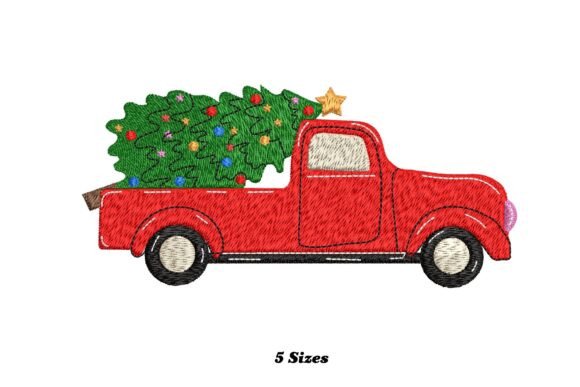
The layout of the Red Truck Christmas Tree immediately suggests a story. It is not just a graphic; it is a scene. The silhouette of the truck is bold enough to be recognizable even from a distance, which is crucial for items like tote bags or wall hangings where the viewer might not be standing right next to the stitching. The balance between the vehicle and the tree load feels intentional, avoiding the common pitfall of designs that look top-heavy or unstable once stitched out.
In terms of mood, this design screams "cozy cabin" and "handmade holiday." It fits perfectly into the current trend of rustic, farmhouse-style decor. For an Etsy seller or boutique owner, this visual personality is a goldmine. It appeals to customers looking for personalized gifts that feel authentic rather than mass-produced. The design avoids overly intricate details that often get lost in translation when moving from a digital vector to thread, suggesting that the creator understands the limitations and strengths of machine embroidery.
Real-World Application: The Tote Bag Test
To truly evaluate this digital embroidery file, I envisioned a specific real-life scenario: creating a limited run of holiday market totes. I pictured using a heavy-weight canvas tote bag design in a natural oatmeal color. The red of the truck would pop beautifully against the neutral background, while the green of the tree would provide a classic seasonal contrast.
In this context, the Red Truck Christmas Tree shines as a centerpiece. Unlike smaller logos that get lost on large bags, this design has enough presence to anchor the product. If I were selling these at a craft fair, I could easily upsell them as reusable gift bags or shopper totes for the season. The design also translates well to sweatshirt embroidery. Imagine a cream-colored crewneck with this motif centered on the chest; it creates an instant "ugly sweater" vibe without actually being ugly. It is festive, wearable, and trendy.
However, one must consider the fabric texture. On a plush fleece or a textured waffle knit, the finer details of the truck's wheels or the tree branches might sink slightly into the pile. This is where the choice of stabilizer becomes non-negotiable. For a professional finished product, I would recommend a cut-away stabilizer for knit fabrics to prevent distortion over time, ensuring the truck doesn't warp after the garment is worn and washed repeatedly.
Technical Considerations for Stitching
While the aesthetic is strong, the technical execution is where a designer earns their keep. When working with the Red Truck Christmas Tree, attention must be paid to stitch density. Holiday designs often suffer from being too dense, resulting in a stiff, cardboard-like feel on the fabric. If this design relies heavily on fill stitch for the truck bed or the tree foliage, it needs to be balanced with enough underlay to prevent puckering, especially on stretchy materials.
I also looked closely at the potential for satin stitch outlines. If the design uses satin columns for the truck's contours, the column width must be appropriate for the thread weight being used. Too wide, and the threads will loop; too narrow, and the coverage will be sparse. For custom apparel intended for children or babies, softness is key. In such cases, verifying that the design does not have excessive jump stitches on the back is vital to ensure comfort against sensitive skin.
Another critical factor is the hoop size. Although the prompt mentions transforming fabrics, it does not specify the exact dimensions. Before committing to a large batch of holiday embroidery on aprons or pillow covers, you must confirm the hoop requirements. If the design is too large for a standard 4x4 hoop but too small to make an impact on a 5x7, it limits your product options. Always check the file specifications provided by the vendor to ensure compatibility with your machine's capabilities.
Navigating Challenges and Fabric Choices
There are scenarios where the Red Truck Christmas Tree requires extra caution. Placing this design on dark fabrics, such as navy blue or black, presents a challenge with color contrast. The red truck might blend in if the thread shade is not vibrant enough. In these instances, testing different thread colors is essential. You might need to adjust the hue of the red or add a light backing to make the design stand out.
Furthermore, curved surfaces like caps can be tricky. The flat nature of a truck illustration might distort when stitched onto the structured front panel of a baseball cap. If you plan to create an embroidered patch version of this design to sew onto hats later, that is a safer bet than direct embroidery on the curve. Similarly, tiny details like license plates or specific ornament shapes on the tree should be inspected closely. If they are rendered in running stitch or very fine detail, they may not survive frequent washing or might require a high stitch count that increases production time.
Maximizing Value and Brand Consistency
Ultimately, the value of the Red Truck Christmas Tree lies in its versatility and emotional resonance. For a craft business, consistency is everything. If this design aligns with your brand's rustic or traditional aesthetic, it reinforces buyer trust. Customers recognize quality when the stitches are clean, the colors are vibrant, and the placement is precise. A well-executed version of this design can become a signature item for your small shop product line.
When creating printable mockups for your online store, ensure the digital representation matches the physical reality. Misleading previews can lead to returns and disappointed customers. Use high-quality photos of the actual stitched item to show the texture and dimension of the thread. This transparency builds engagement and reduces hesitation for potential buyers browsing your design assets or finished goods.
Final Verdict and Designer Notes
The Red Truck Christmas Tree is a contender for anyone looking to add a touch of whimsical nostalgia to their holiday collection. It bridges the gap between cute and classic, making it suitable for a wide range of applications from baby embroidery on onesies to sophisticated home decor. However, success depends on preparation.
Before launching into full production, I strongly advise running a test stitch-out on scrap fabric similar to your final material. Check the registration of the colors, ensure there is no gapping in the fills, and verify that the design sits flat. Confirm the licensing terms explicitly; while many files allow for commercial use on physical items, restrictions on reselling the embroidery file itself are common. By treating this design with the respect and technical scrutiny it deserves, you can transform a simple digital pattern into a cherished heirloom or a best-selling inventory item.