Reviewing Alligator Merry Christmas for Gifts
As an embroidery designer who has spent countless hours hooping, stitching, and troubleshooting designs for client orders, I approach every new machine embroidery design with a mix of excitement and caution. When I first loaded the Alligator Merry Christmas file into my software, I was immediately struck by its playful energy. In the world of holiday decor, we often see the same reindeer, snowmen, and Santa motifs repeated ad nauseam. Finding a design that offers a quirky, unexpected twist is a breath of fresh air. This review explores how this specific design performs in a real-world production environment, specifically for those of us running small shops or selling on platforms like Etsy.
First Impressions: Charm and Quirky Appeal
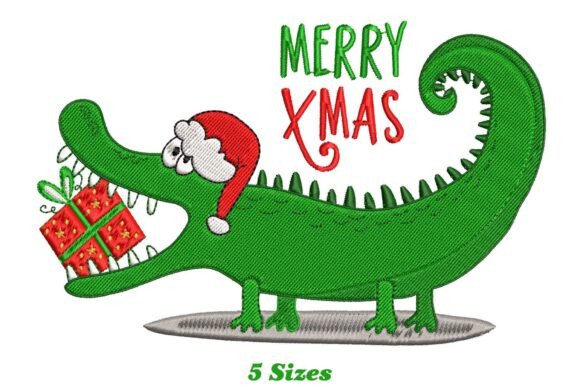
The immediate mood of Alligator Merry Christmas is undeniably fun. It does not strive for high-end elegance or romantic subtlety; instead, it leans into a whimsical, handmade aesthetic that appeals to customers looking for personality in their purchases. For a personalized gift shop, this is gold. Customers are increasingly moving away from mass-produced items and seeking out pieces that feel unique and spirited. The design’s charm lies in its ability to transform ordinary fabrics into conversation starters. Whether stitched onto a kitchen towel or a child’s t-shirt, it adds a fun and quirky accent that stands out in a crowded market.
From a technical standpoint, the visual balance seems well-considered. However, as any experienced stitcher knows, what looks good on screen does not always translate perfectly to fabric. The key to success with a character-based design like this is ensuring the details remain crisp without becoming too dense. A heavy stitch density can cause puckering, especially on lighter fabrics, while too little density might leave gaps in the coverage. My initial assessment suggests this design strikes a decent middle ground, but testing is non-negotiable.
Versatility Across Product Lines
One of the strongest assets of the Alligator Merry Christmas design is its versatility. It is not confined to a single product type. For baby product creators, this design could be a hit on nursery items. Imagine a soft blanket embroidery project where the alligator serves as a friendly guardian for a newborn. However, when working with baby embroidery, one must be mindful of the fabric texture. Delicate knits require careful handling to prevent distortion.
For home decor enthusiasts, the design translates beautifully onto an embroidered towel. Holiday guests often appreciate the extra touch of humor in the guest bathroom or kitchen. Similarly, a pillow cover featuring this motif can serve as a seasonal accent piece that is easy to store away after January 1st. For the Etsy seller or craft fair vendor, this design opens up opportunities for custom totes and aprons. These are high-margin small shop products that allow for creative pricing strategies based on the perceived value of the customization.
While it may not be the traditional choice for a formal wedding gift, it could work wonderfully for a casual, humorous engagement present or a bridal shower gift for a couple with a known love for reptiles or unconventional humor. The emotional connection here is built on shared laughter and personality rather than traditional romance.
Navigating Technical Challenges
Despite its charm, there are areas where Alligator Merry Christmas requires careful attention. Any design with character features—eyes, teeth, scales—poses a risk when scaled down. If you are planning to use this on a small item, such as a baby onesie or a pocket square, you must check the legibility of the smaller elements. Small lettering or intricate details can easily merge into a blob of thread if the hoop size is too small or the resolution is compromised.
Fabric choice is another critical variable. Textured fabrics, such as thick terry cloth towels or waffle-weave blankets, can obscure fine details. On these surfaces, the thread may sink into the pile, making the alligator’s features less distinct. Conversely, on stretchy baby clothes, improper stabilization can lead to warping. Using the correct stabilizer is essential. I recommend a cut-away stabilizer for knits to provide long-term support, especially for items that will undergo frequent washing.
Dark fabrics present another challenge. If the design relies on light thread colors to pop against a dark background, you must ensure there is adequate underlay stitching to prevent the fabric color from showing through. Always compare light and dark fabric mockups before committing to a large batch of production. This step saves time and materials, ensuring your finished product meets professional standards.
Enhancing Perceived Value and Trust
In the realm of commercial embroidery, the quality of the stitch-out directly influences customer trust. A clean, well-executed Alligator Merry Christmas signals to the buyer that the maker cares about quality. This perception increases the giftability of the item. When a customer receives a personalized item that looks professionally made, they are more likely to return for future purchases and leave positive reviews.
Product photography also plays a crucial role. A quirky design like this photographs well because it has character. Close-up shots that highlight the texture of the threads and the precision of the edges can significantly boost buyer engagement. For digital product sellers, providing a high-quality printable mockup or a photo of the actual stitch-out can help customers visualize the final result, reducing hesitation at checkout.
Practical Steps for Production
Before adding Alligator Merry Christmas to your inventory, follow these practical steps to ensure consistency and quality:
- Test on scrap fabric: Never skip this step. Use the same type of fabric you intend to sell to check for puckering or thread breaks.
- Check thread color contrast: Ensure the colors chosen provide enough distinction between the alligator’s features and the background.
- Confirm hoop size: Verify that the design fits comfortably within your standard hoops without requiring excessive re-hooping.
- Review stitch density: Look for areas that may be too dense for lightweight fabrics and adjust if necessary.
- Use proper stabilizer: Match the stabilizer to the fabric weight and stretch characteristics.
- Check small details after stitching: Inspect the eyes and teeth for clarity. If they are muddy, consider resizing or simplifying the design.
- Confirm commercial licensing: Before selling finished products, ensure your license covers commercial use. If you are using a digital embroidery file from a third party, read the terms carefully.
If specific details such as exact stitch count or file formats are not provided in the product description, advise readers to check them before use. Transparency with your customers about the materials and methods used builds long-term loyalty.
Final Thoughts for Makers
The Alligator Merry Christmas design is a delightful addition to any holiday collection. It offers a unique alternative to traditional motifs, appealing to customers who value humor and personality in their personalized gift choices. By paying attention to technical details like fabric texture, stabilizer choice, and stitch density, you can ensure that every piece you produce reflects the high quality your brand promises. Whether you are creating a custom tote for a local market or a set of embroidered towels for an online order, this design has the potential to become a bestseller in your shop. Embrace the quirkiness, test thoroughly, and let your creativity shine through every stitch.