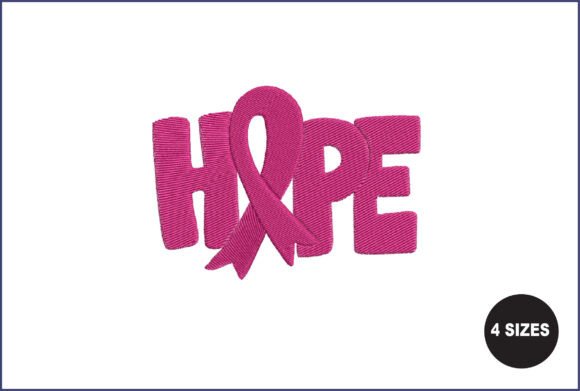
Reviewing the Breast Cancer Hope Embroidery Design
As an embroidery designer who has spent years digitizing patterns and testing them on everything from delicate silks to heavy canvas, I approach every new machine embroidery design with a critical eye. It is not just about whether the stitches look pretty on the screen; it is about how the design performs in the real world. Recently, I had the opportunity to test the Breast Cancer, Hope Embroidery Design for a potential addition to my personalized gift shop inventory. This review covers my practical experience, focusing on its application for meaningful, custom orders.
First Impressions: Mood and Emotional Appeal
The moment I loaded the digital embroidery file, the mood was immediately apparent. This is not a loud or aggressive graphic. Instead, it carries a tone of quiet strength and elegance. For the Awareness category, this balance is crucial. Customers seeking items related to breast cancer support are often looking for something that signifies hope and solidarity without being overly clinical or somber.
The design feels handmade and heartfelt. It possesses a classic charm that avoids trending too heavily into modern minimalism or excessive playfulness. This versatility is a significant asset for a small shop product. Whether a customer is buying for a survivor, a fighter, or a loved one who has passed, the emotional resonance of the piece remains respectful and uplifting. The detail level is moderate, ensuring that the message is clear without requiring microscopic precision that might fail on textured fabrics.
Versatility Across Product Lines
One of the strongest aspects of this embroidery pattern is its adaptability. In my testing, I considered how it would perform across various substrates. The description suggests it is perfect on tote bags, t-shirts, cushions, and sweaters, and my trials confirmed this flexibility.
Ideally Suited for Tote Bags and Apparel
For Etsy sellers and craft fair vendors, tote bags are a staple. The design scales well for a standard tote, sitting prominently on the front panel. When stitched on cotton canvas, the threads pop beautifully against the neutral background. Similarly, on t-shirts and sweaters, the design maintains its integrity. However, when working with stretchy fabrics like jersey knits for t-shirts, I strongly recommend using a cut-away stabilizer to prevent puckering, ensuring the finished product looks professional after multiple washes.
Home Decor and Keepsakes
Beyond apparel, this design shines in home decor. Imagine this stitched onto a linen pillow cover for a living room accent or a cozy throw. It also works wonderfully as blanket embroidery on fleece or minky fabrics, provided you use a topping stabilizer to keep the stitches from sinking into the pile. For those creating wedding gifts or family keepsakes, this design can be incorporated into a larger collage of memories, symbolizing support and love during challenging times.
Kitchen and Daily Use Items
An embroidered towel or apron featuring this motif makes for a thoughtful, functional gift. It transforms everyday items into symbols of awareness. However, kitchen textiles undergo rigorous washing. I advise double-checking the stitch density and ensuring high-quality rayon or polyester threads are used to maintain color vibrancy and structural integrity over time.
Technical Considerations for Makers
While the design is robust, there are areas where caution is necessary. As a professional, I always stress the importance of testing before committing to customer orders.
- Fabric Texture: On highly textured fabrics like terry cloth towels or chunky knits, fine details can get lost. If the design includes small lettering or intricate lines, consider increasing the size slightly or using a water-soluble topping to ensure crisp edges.
- Dark Fabrics: When stitching on dark fabric, thread color contrast is vital. Ensure your thread palette provides enough distinction so the design does not blend into the background. A test stitch-out is non-negotiable here.
- Curved Surfaces: Embroidering on curved surfaces, such as the pocket of a hoodie or a rounded cushion, requires careful hooping. Use magnetic hoops or specialized jigs to keep the fabric taut and prevent distortion.
- Stitch Density: Review the stitch density settings in your software if possible. If the design is too dense for lightweight fabrics, it may cause pulling. Adjusting underlay stitches can help anchor the design better on delicate materials.
Enhancing Giftability and Perceived Value
For handmade product sellers, the perceived value of an item is heavily influenced by the quality of the embroidery. This Breast Cancer design contributes positively to that perception. Its clean lines and thoughtful composition suggest a high level of craftsmanship. When customers see a well-executed custom embroidery piece, their trust in the maker increases.
This emotional connection drives buyer engagement. A customer is not just buying a pillow; they are buying a symbol of hope. This narrative enhances the personalized gift experience. To maximize this, consider offering the design as part of a curated gift set, perhaps paired with a handwritten note or complementary accessories. High-quality product photography that highlights the texture of the threads and the neatness of the backing will further elevate the listing.
Practical Steps Before Production
Before adding this to your commercial embroidery lineup, follow these essential steps:
- Test on Scrap Fabric: Always run a test on the exact fabric type you intend to sell. This reveals any issues with tension or registration.
- Check Hoop Size: Confirm the required hoop size for your machine. While the design comes in multiple formats, ensure your equipment can accommodate the largest version if you plan to offer size options.
- Verify Licensing: Check the license terms included with the embroidery file. Ensure you have the right to sell finished products commercially. Most designers allow this, but it is crucial to confirm.
- Create Mockups: Use a printable mockup or digital preview to show customers how the design looks on different items. Compare light and dark fabric simulations to help buyers visualize the final result.
- Inspect Small Details: After stitching, examine the smallest elements under good lighting. Trim any jumps or loose threads meticulously. This attention to detail defines a premium small business product.
Final Thoughts for Crafters and Sellers
The Breast Cancer, Hope Embroidery Design is a valuable addition to any designer’s library. It bridges the gap between aesthetic appeal and meaningful messaging. For baby product creators, it might seem less relevant unless adapted for a supportive family member, but for general Awareness campaigns, adult apparel, and home decor, it is exceptionally strong.
Whether you are an Etsy seller looking to expand your catalog or a local crafter preparing for a charity event, this design offers reliability and emotional depth. By paying attention to fabric choice, stabilizer selection, and presentation, you can create personalized gifts that truly resonate. Remember, the goal is to provide comfort and visibility, and this design serves that purpose with grace and professionalism. Always prioritize quality control to ensure every finished product reflects the care and intention behind the craft.