Sloth Mode On: A Designer's Review for Craft Fair Success
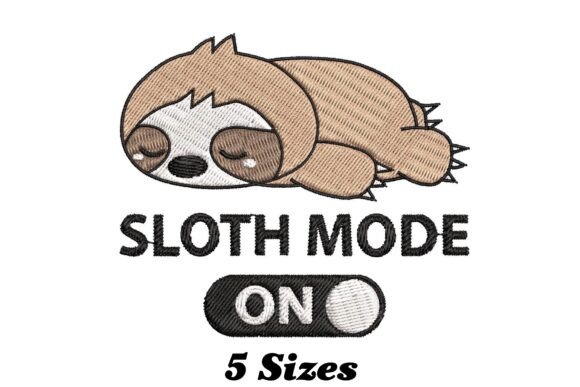
As I prepare my booth display for this weekend's local craft fair, I am constantly evaluating which machine embroidery design will stop customers in their tracks. My table is laden with samples: embroidered tote bags, kitchen aprons, tea towels, patches, caps, and small pouches. Among the pile of design assets, one file stands out immediately: Sloth Mode on. This isn't just another animal graphic; it is a mood, a statement, and potentially a best-seller for any Etsy seller or boutique maker looking to connect with buyers who appreciate humor and relaxation.
First Impressions and Market Appeal
The first thing I notice about Sloth Mode on is its inherent personality. In a market saturated with generic floral patterns and overly complex scenic embroidery, a design that leans into the "slow living" trend feels incredibly fresh. The title itself suggests a modern, slightly sassy vibe that fits perfectly with current lifestyle trends. It feels cute yet relatable, striking a balance between whimsical charm and a touch of dry humor.
For a craft fair product, immediate recognition is key. Customers walking down an aisle have seconds to decide if they want to stop at your table. Sloth Mode on works because the concept is universal. Everyone understands the desire to just hang around and do nothing. Whether displayed on a rustic linen towel or a canvas market bag, the design communicates a feeling of comfort. It is not trying to be elegant or high-fashion; instead, it offers a premium sense of self-care and relaxation, which is a massive selling point for handmade goods.
Product Versatility and Display Strategy
When planning my booth layout, I have to consider where this design performs best. The description notes it is perfect for t-shirts, towels, pillows, and home decor. Here is how I see Sloth Mode on performing across different handmade products:
- Tote Bags and Market Bags: This is likely the strongest contender. A large canvas tote with Sloth Mode on stitched in bold thread colors becomes an instant statement piece. It serves as a tote bag design that people will wear proudly to the grocery store or yoga class.
- Aprons and Tea Towels: For the kitchen section of my booth, this design shines as apron embroidery or tea towel embroidery. It adds a bit of fun to chores. The idea of wearing an apron that says you are in "sloth mode" while cooking is ironic and charming.
- Patches and Pouches: As an embroidered patch, this design allows customers to customize their own jackets or backpacks. It also works beautifully on small fabric pouches used for cosmetics or tech accessories, acting as a cute accent rather than a overwhelming focal point.
- Pillow Covers: Home decor buyers love text-based designs. Stitched onto a neutral pillow cover, this creates a cozy, inviting look that fits well in farmhouse or modern boho interiors.
The versatility of Sloth Mode on means I can create a cohesive collection. By using consistent thread colors across different items—perhaps earthy greens, browns, and soft creams—I can create a visual theme that draws the eye across the entire table display.
Production Practicality and Batch Selling
From a production standpoint, a design needs to be repeatable to be profitable. If I am running a small shop product line, I cannot spend hours trimming jumps or fixing errors on every single unit. Sloth Mode on appears to be designed for efficiency. The lines look clean, suggesting that the stitch density is balanced to prevent puckering while maintaining coverage.
For online listings, photography is everything. This design photographs exceptionally well because the text and imagery are distinct. When creating a printable mockup for my Etsy shop, the contrast between the stitching and the fabric should be easy to capture, even with natural lighting. High-contrast images lead to higher click-through rates, making this a valuable digital embroidery file for commercial embroidery businesses.
However, scale matters. While it works as a large focal design on a tote, I need to be careful if I attempt to shrink it for a small pocket on a cap or a tiny pouch. Small lettering can lose clarity if the design is reduced too much. It is crucial to test the smallest intended size to ensure the words "Sloth Mode on" remain legible and the sloth details do not turn into a blob of thread.
Critical Considerations for the Embroiderer
Before committing to a full production run for the fair, there are several technical factors I must address to ensure the finished product meets professional standards. Even the cutest design can fail if the execution is poor.
- Fabric Texture and Stabilizer: The description mentions towels, which often have a looped texture. Stitching on textured towels requires a robust stabilizer to prevent the design from sinking into the loops. I will need to test different weights of cut-away stabilizer to ensure the edges of the sloth remain crisp.
- Curved Surfaces: If I plan to put this on caps, the curved surface presents a challenge. The design must be digitized specifically for caps, or it may distort. I need to confirm the hoop size compatibility with my cap frame before starting.
- Thread Contrast: On dark fabrics, light thread pops, but on light fabrics, I need to ensure the outline is dark enough to define the shape. Testing on scrap fabric of various colors is non-negotiable.
- Dense Stitch Areas: If the sloth's fur is rendered with heavy saturation, it could make the fabric stiff. I need to inspect the stitch count and density settings to ensure the final item remains soft and wearable, especially for t-shirts and baby items.
Maximizing Buyer Engagement
Ultimately, the success of Sloth Mode on at a craft fair comes down to emotional connection. When a customer picks up a tote bag with this design, they aren't just buying a bag; they are buying permission to relax. It validates their busy lives and offers a moment of levity. This emotional hook increases the perceived value of the handmade product.
For brand consistency, using this design across multiple product types helps establish my booth as a destination for fun, quality goods. It tells a story about my brand—that we value creativity, humor, and comfort. Whether I am selling physical goods or the digital embroidery file itself to other makers, the appeal lies in its simplicity and charm.
One final note on licensing: Before listing these items for sale, I must double-check the commercial licensing terms associated with this specific file. Not all embroidery files allow for unlimited commercial use. Ensuring I have the right to sell finished products made with Sloth Mode on is essential for protecting my business.
In conclusion, Sloth Mode on is a standout choice for the upcoming season. It bridges the gap between trendy aesthetics and timeless humor. With careful attention to fabric selection, stabilizer choice, and sizing, this design has the potential to be the star of my craft fair booth, driving sales and bringing smiles to customers who desperately need a little sloth time in their day.