This is Some Boo Sheet: A Designer’s Review
As an embroidery designer who has spent countless hours digitizing patterns and testing stitches on various fabrics, I know that the right design can make or break a handmade product. When I first encountered This is Some Boo Sheet on Creative Fabrica, I was immediately drawn to its whimsical charm. It is not just another seasonal motif; it is a playful statement piece that bridges the gap between spooky fun and cozy domesticity. For those of us creating personalized gifts and custom home decor, finding designs that offer both personality and technical reliability is essential. This review explores how this specific machine embroidery design performs in real-world applications, from baby blankets to holiday keepsakes.
First Impressions: Whimsy Meets Craftsmanship
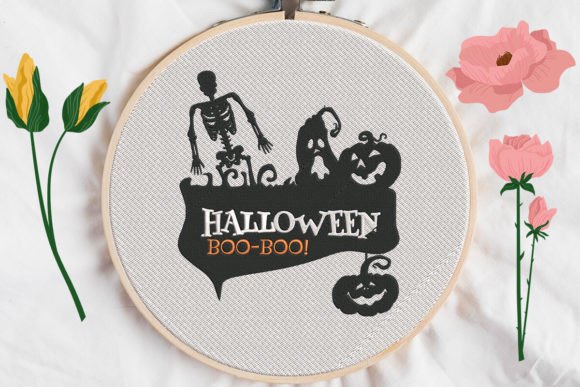
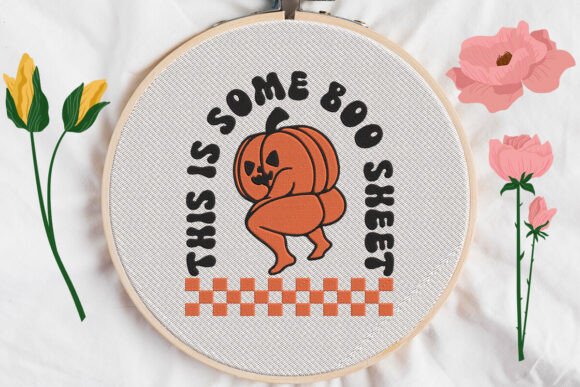
The visual appeal of This is Some Boo Sheet lies in its balance. It captures the lighthearted spirit of Halloween without being overly dark or aggressive. The design features a soft, approachable aesthetic that feels more like a gentle joke than a scare. For embroidery crafters, this emotional tone is crucial. We are not just stitching thread into fabric; we are embedding feeling into a finished product. Whether it is for a nursery item or a kitchen towel, the design exudes a sense of warmth and humor.
From a technical standpoint, the lines appear clean and well-defined. In my experience, designs that rely on puns or text-heavy elements require precise digitizing to ensure legibility. This embroidery file seems to prioritize clarity, making it suitable for various fabric textures. The playful nature of the ghost motif adds a decorative style that feels modern yet timeless, appealing to customers who want seasonal decor that does not feel disposable.
Versatility in Handmade Products
One of the strongest assets of this design is its adaptability. While it falls under the Halloween category, its application extends far beyond October decorations. Here is how I envision using this design for different customer needs:
- Baby Embroidery: Imagine this stitched onto a soft muslin swaddle or a onesie. The "boo" theme is gentle enough for infants, offering parents a cute way to celebrate their little one’s first Halloween.
- Embroidered Towels: Kitchen hand towels are perennial bestsellers for Etsy sellers. Stitching this design on a waffle-weave or terry cloth towel creates an instant conversation piece for autumn gatherings.
- Pillow Covers: A neutral linen pillow cover with this playful ghost adds a subtle seasonal touch to living room decor. It is easy to swap out, making it a low-commitment purchase for buyers.
- Tote Bags: Canvas totes are sturdy and provide a large, flat surface for embroidery. This design works beautifully as a center focal point, perfect for trick-or-treat bags or grocery runs.
- Aprons: For the home chef, a personalized apron with this whimsical touch makes a thoughtful gift. It combines functionality with festive flair.
For small business owners and commercial embroidery projects, this versatility means you can market the same digital embroidery file across multiple product lines. You are not limited to one niche; you can appeal to parents, home decorators, and party hosts alike.
Technical Considerations for Professional Results
While the design is charming, executing it perfectly requires attention to detail. As an experienced designer, I always advise checking several practical concerns before starting your final stitch-out.
Fabric Texture and Stabilizer Choice
The success of any machine embroidery design depends heavily on the foundation. For textured towels, the small details of the ghost’s face might get lost if the fabric pile is too high. I recommend using a cut-away stabilizer for stretchy fabrics like t-shirts and baby clothes to prevent distortion. For woven fabrics like linen pillow covers or aprons, a tear-away stabilizer may suffice, but always test first. The goal is to keep the stitches flat and smooth, avoiding puckering that can ruin the perceived quality of the handmade product.
Thread Colors and Contrast
Since this is a Halloween-themed design, traditional orange, black, and white threads come to mind. However, do not be afraid to experiment. Soft pastels can make the design feel more appropriate for baby embroidery, while metallic threads could add a touch of elegance for adult decor. Always check thread color contrast against your fabric. If you are stitching on dark fabric, ensure your outline stitches are bright enough to stand out. Poor contrast can make the design look muddy and unprofessional.
Stitch Density and Small Details
Review the stitch density of the file before loading it onto your machine. Dense stitching on lightweight fabrics can cause stiffness or tearing. If the design includes small lettering or delicate shapes, ensure your needle is sharp and appropriate for the fabric type. A universal needle might skip on knits, so switch to a ballpoint needle for baby clothes. After stitching, inspect the small details closely. Are the eyes symmetrical? Is the text legible? These micro-details determine whether the customer perceives the item as high-end or amateur.
Enhancing Customer Trust and Perceived Value
In the world of online selling, particularly for Etsy shop owners, presentation is everything. A well-executed embroidery job builds customer trust. When a buyer receives a personalized gift that is neatly stitched, with no loose threads or bobbin issues, they are more likely to leave positive reviews and return for future purchases.
This is Some Boo Sheet offers high giftability. It is the kind of design that makes people smile upon unwrapping. To maximize this effect, consider how you photograph the finished product. Use natural light to highlight the texture of the threads. Create printable mockups that show the design in situ—on a folded towel, draped over a chair, or held by a child. These visuals help buyers imagine the item in their own homes, increasing buyer engagement.
Furthermore, the emotional value of a handmade item cannot be overstated. In an era of mass production, a custom embroidery piece signifies care and effort. By choosing a design that is both playful and well-digitized, you are signaling to your customers that you value quality. This perception of quality allows you to price your products fairly, reflecting the time and skill involved in creating them.
Practical Steps Before You Sell
Before you list this design in your shop or use it for client orders, take these essential steps:
- Create a Test Stitch-Out: Never skip this step. Stitch the design on a scrap piece of the exact fabric you plan to use for the final product.
- Check Hoop Size: Confirm that the design fits within your machine’s hoop size. While the description suggests versatility, always verify the dimensions in the product details on Creative Fabrica.
- Review Licensing Terms: Ensure you understand the license associated with the digital embroidery file. Creative Fabrica typically offers generous terms for commercial use, but it is vital to read the specific conditions for each designer.
- Wash Testing: Wash and dry your test piece to check for durability. Does the thread shrink? Does the fabric pucker? Ensuring washing durability is key for items like baby blankets and towels that will see frequent use.
In conclusion, This is Some Boo Sheet is a delightful addition to any embroidery designer’s library. It offers the perfect blend of seasonal charm and everyday usability. By paying attention to technical details like stabilizer choice, thread contrast, and fabric texture, you can transform this simple machine embroidery design into a standout handmade product. Whether you are creating a wedding gift with a twist, a cozy nursery item, or a fun kitchen accessory, this design provides the whimsical touch that customers love. Embrace the creativity, test thoroughly, and enjoy the process of bringing this playful ghost to life.