Review: Pumpkin Silverware Sleeve ITH Applique
As a designer who spends more time staring at stitch maps than finished garments, I approach every new machine embroidery design with a mix of curiosity and skepticism. We have all been there: you download a file that looks charming in the thumbnail, only to find the stitch density is a nightmare or the registration is impossible on textured fabric. So, when I pulled up the Pumpkin Silverware Sleeve ITH Applique, my first goal was not just to admire the aesthetic, but to determine if it holds up under the mechanical stress of an embroidery hoop.
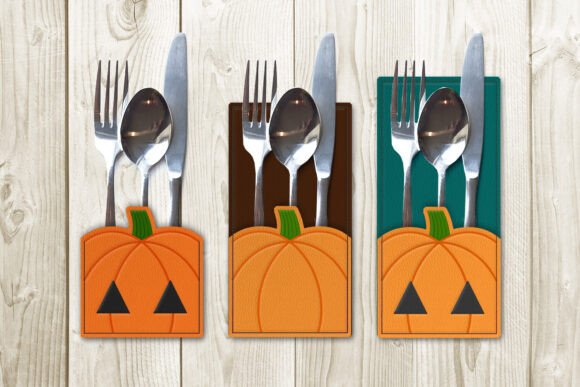
This applique design immediately struck me as a practical solution for seasonal hosting. The concept is straightforward: an in-the-hoop project that creates functional silverware sleeves featuring a pumpkin motif. But beyond the utility, the visual personality matters. The layout feels balanced, avoiding the clutter that often plagues holiday-themed digitizing. It leans into the cozy, rustic side of Halloween rather than the spooky, making it versatile for autumn dinners, Thanksgiving gatherings, or even harvest-themed boutique displays.
First Impressions and Visual Appeal
The mood this design creates is warm and inviting. In a market saturated with generic jack-o'-lantern faces, a stylized pumpkin applique offers a subtler, more sophisticated nod to the season. For Etsy sellers and small shop product creators, this distinction is crucial. Customers are increasingly looking for handmade products that feel curated rather than mass-produced. The clean lines of the pumpkin shape suggest a modern craft aesthetic that pairs well with neutral linens or deep orange felt.
From a technical standpoint, the reliance on applique is a smart move. By using fabric to fill the main shape, the design reduces bulk and stitch count, which is vital for maintaining the flexibility of a silverware sleeve. If this were entirely filled with fill stitch work, the resulting item might be too stiff to roll comfortably around cutlery. The use of satin stitch borders likely provides that necessary crisp edge, defining the pumpkin against the background fabric without adding excessive height.
Real-World Application: Beyond the Hoop
Let’s talk about how this actually performs in a real-life scenario. I recently worked on a custom order for a boutique client who wanted cohesive table settings for a fall wedding. While the primary function here is a silverware sleeve, the design logic extends to other embroidery projects. Imagine adapting this motif for a tote bag design or as a decorative element on a kitchen towel. The scalability of the pumpkin shape makes it a strong candidate for various design assets.
For craft business owners, the "in-the-hoop" nature is a significant time-saver. Time is money. If you can produce a finished product with minimal trimming and no sewing machine assembly afterward, your profit margins improve. This design fits perfectly into the workflow of a busy commercial embroidery studio or a home-based maker preparing for the holiday rush. It transforms a simple piece of non-fraying fabric like felt or vinyl into a personalized gift or a sellable inventory item with minimal labor.
However, context is key. This design shines brightest when used for its intended purpose or similar flat applications. Trying to force this onto a curved surface like a cap might distort the pumpkin’s symmetry. It is best suited for flat goods: placemats, napkin rings, or even as an accent on a sweatshirt embroidery project if scaled down and positioned carefully on the chest or cuff.
Material Considerations and Stitching Reality
The product description specifies non-fraying fabrics such as felt or vinyl. This is not just a suggestion; it is a requirement for the integrity of the finished product. If you attempt this on woven cotton without extensive zig-zag finishing or additional stabilizing, the raw edges of the applique will fray, ruining the clean look. Felt provides a soft, matte texture that contrasts beautifully with the sheen of embroidery thread. Vinyl, on the other hand, offers a modern, wipeable surface ideal for family-friendly dining settings.
When working with these materials, your choice of stabilizer becomes critical. Felt can be stretchy depending on the quality, and vinyl can stick to the presser foot. I recommend using a cut-away stabilizer for durability, especially if these sleeves will be washed frequently. A tear-away might leave residue or fail to support the stitch density during the satin stitching phases, leading to puckering.
Thread color contrast is another area where designer judgment comes into play. While traditional orange and green are safe bets, consider earthy tones for a more upscale look. A burnt sienna pumpkin with olive green vines on a cream felt background creates a sophisticated palette that appeals to adult buyers, not just children. Always test your thread colors on scrap pieces of your actual material before committing to a full production run.
Where to Exercise Caution
No design is universal, and honest review requires highlighting limitations. Do not attempt this on thin, stretchy fabrics like jersey knit unless you are experienced with heavy stabilization. The tension required for applique can warp lightweight knits. Additionally, avoid using this on dark fabrics if your digitizing does not account for underlay stitches properly, as the lighter applique fabric might show through gaps in the stitching.
Also, be mindful of the hoop size. In-the-hoop designs require precise placement. If your machine’s hoop is smaller than the design’s required area, you cannot simply "make it fit." Check the specific dimensions provided in the digital embroidery file documentation. If those details are not clearly provided, contact the seller or check the preview images carefully before purchasing. Attempting to resize an applique design significantly can distort the stitch angles, causing thread breaks or poor coverage.
Practical Designer Notes for Success
To ensure your embroidery file performs as expected, follow these steps:
- Test on Scraps: Always stitch a sample on the exact fabric and stabilizer combination you plan to use for production. This reveals tension issues early.
- Check Registration: Ensure the placement stitches align perfectly with the cut lines. Misalignment in ITH designs leads to uneven edges that are difficult to trim neatly.
- Review Licensing: Before selling these as small shop products or including them in printable mockup bundles, confirm the license terms. Most designers allow commercial use for finished physical items, but digital resale is typically prohibited.
- Mockup Testing: Create black and white mockups to check the visual weight of the design. Does the pumpkin stand out? Is the detail clear from a distance?
- Fabric Selection: Stick to the recommended non-fraying materials. If you must use woven fabric, plan for a tight zig-zag or blanket stitch finish around the applique edges.
Final Verdict
The Pumpkin Silverware Sleeve ITH Applique is a solid addition to any autumn-focused embroidery library. It balances aesthetic charm with functional design, making it a reliable choice for both personal projects and commercial ventures. For handmade shop owners, it offers a quick-turnaround product that feels thoughtful and seasonal. For hobbyists, it provides a satisfying project with a professional-looking result.
Remember, the value of a design lies not just in its pixels, but in how it translates to thread and fabric. With the right materials and attention to detail, this design delivers a polished finished product that enhances brand consistency and customer trust. Whether you are creating a holiday gift for a friend or stocking your online store for the fall season, this applique design earns its place in the hoop.